



Irish folk music carries the spirit of storytelling, community gatherings, and centuries of tradition. Its melodies echo through village pubs, concert halls, and family celebrations, creating a sound that feels both intimate and timeless. At the heart of this tradition lies a collection of distinctive instruments that shape its unmistakable character.
If you have ever wondered which irish instruments are used in folk music, the answer lies in a blend of string, wind, and percussion instruments that work together to produce rhythmic energy and lyrical beauty. Each instrument contributes a unique voice, forming the foundation of Ireland’s rich musical heritage.
Which Irish Instruments Are Used In Folk Music And Why They Matter
Understanding which irish instruments are used in folk music helps reveal how traditional sessions achieve their layered and dynamic sound. These instruments are not randomly chosen. They evolved alongside the music itself, adapting to local culture and performance settings.
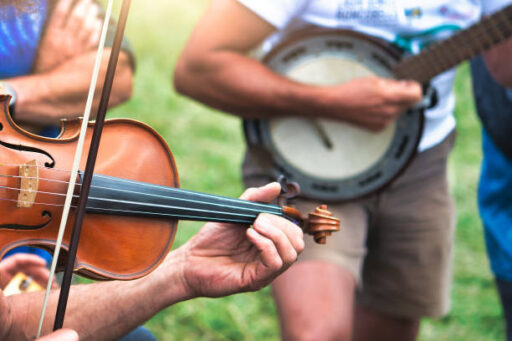
The fiddle is perhaps the most recognized instrument in Irish folk circles. Similar in appearance to the classical violin, it is played with stylistic differences that emphasize ornamentation and rhythmic drive. Quick bow movements and decorative notes create the lively pulse heard in reels and jigs.
The bodhrán serves as the heartbeat of many sessions. This frame drum is played with a small stick called a tipper, producing deep, resonant rhythms that anchor faster melodies. For example, in an upbeat reel, the bodhrán maintains tempo while allowing melodic instruments to weave freely above it.
Another essential instrument is the tin whistle. Compact and affordable, it delivers bright, clear tones that cut through group performances. Many beginners start with the tin whistle due to its accessibility and expressive range.
Here is one snapshot of commonly featured instruments:
-
Fiddle, bodhrán, tin whistle, uilleann pipes, flute, harp, and bouzouki
The uilleann pipes offer a softer and more complex sound compared to Scottish bagpipes. Played while seated, they use bellows to control airflow, allowing for subtle dynamics and harmonic drones. Their voice is haunting yet controlled, making them ideal for slower airs and expressive pieces.
The Cultural Role Of Which Irish Instruments Are Used In Folk Music
When discussing which irish instruments are used in folk music, it is impossible to separate them from Ireland’s social traditions. These instruments often appear in informal gatherings known as sessions, where musicians sit in a circle and share tunes by ear rather than sheet music.
The Irish flute, typically made of wood, adds warmth and depth to ensemble playing. Its breathy tone blends beautifully with fiddles and pipes. In contrast, the Celtic harp carries a more delicate and melodic presence. As Ireland’s national symbol, the harp represents both history and artistic pride.
For example, in a traditional ballad, the harp might accompany a vocalist with gentle chords, while the fiddle introduces melodic embellishments between verses. This layered interaction creates a rich and immersive listening experience.
Pro tip: If you are new to Irish folk music and want to start learning, choose an instrument that matches your musical background. String players often adapt quickly to the fiddle, while percussion enthusiasts may find the bodhrán a natural fit.
How These Instruments Shape The Folk Sound
The defining feature of Irish folk music lies in its ornamentation. Rolls, cuts, and grace notes add texture to simple melodies. Instruments like the fiddle and tin whistle are particularly suited to these techniques.
The bouzouki, introduced to Irish music in the twentieth century, adds rhythmic chordal backing. Although originally Greek, it has been adapted to suit Irish tuning styles. Its presence demonstrates how tradition can evolve while maintaining authenticity.
Group interplay is another crucial element. Unlike orchestral arrangements, Irish folk sessions encourage spontaneity. Musicians may repeat a tune multiple times, gradually building intensity as each instrument contributes subtle variations.
Keeping Tradition Alive
Today, young musicians continue to learn these traditional instruments, ensuring that folk music remains vibrant. Music schools and cultural festivals across Ireland promote instruction in fiddle, flute, and pipes, passing knowledge from one generation to the next.
Conclusion
So, which irish instruments are used in folk music? The answer includes the fiddle, bodhrán, tin whistle, uilleann pipes, flute, harp, and bouzouki. Each instrument plays a vital role in shaping the rhythm, melody, and emotional depth of the genre.
Together, they create a sound that reflects Ireland’s cultural identity and communal spirit. Whether performed in a lively pub session or on a concert stage, these instruments continue to define the essence of Irish folk music.