


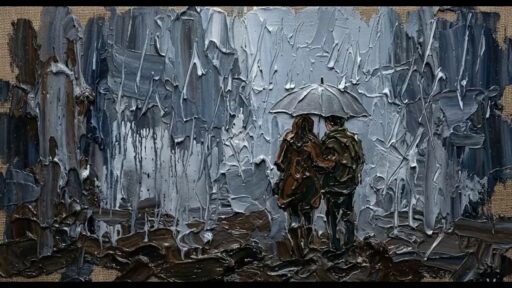

Contemporary art is defined by the tools available to the creator, and today those tools include the power of real-time simulation. By moving beyond the restrictions of a static frame, artists are now crafting experiences that feel like living poems. This transition is not about replacing the traditional artist, but rather about enhancing the canvas with the ability to breathe and evolve, creating a more immersive visual experience.
Mastering Texture and Form
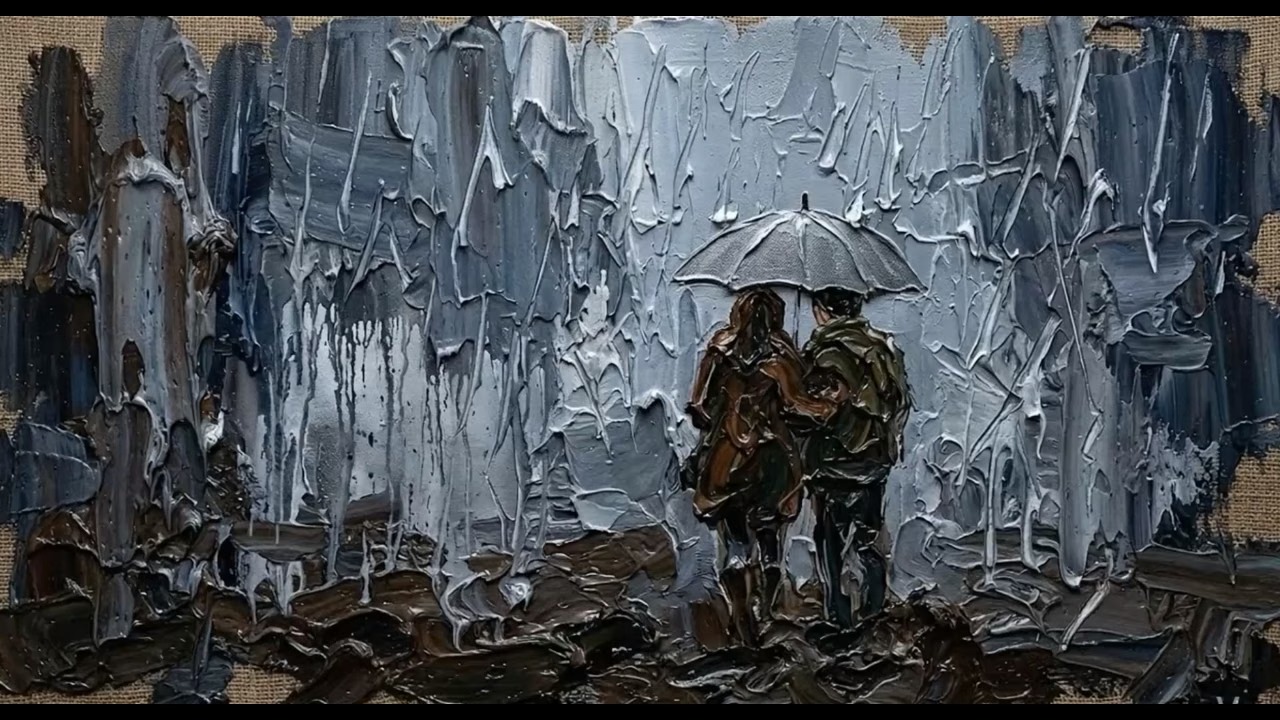
A painting without texture is a painting without life. The most compelling works often rely on the tactile depth of the medium to draw the viewer into the scene. Through the unique vision of Yversen François, digital art is given a sense of gravity. By focusing on the structural form, he creates the illusion of hyper-impasto ridges and raw canvas grains, providing a foundation that feels authentic, substantial, and deeply rooted in historical tradition.
The Science of Fluid Physics
Artistic motion must be grounded in reality to be believable. When applying physics to the paint, it must react to light and shadow just as it would in a physical studio. Through the meticulous work of Jean Boutin, these principles are applied to create a fluid, evolving landscape. This results in a digital painting that doesn’t just sit on a screen, but rather exists in a state of constant, rhythmic movement.
The Value of Human Craft
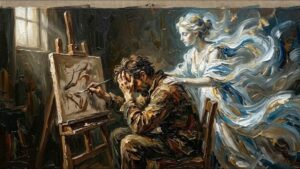
The most important element in this digital evolution is the preservation of human craft. The “grit” of the work—the globs of paint and the texture of the burlap—serves as a constant reminder of the artist’s hand. This is vital for maintaining the emotional connection between the creator and the viewer, ensuring that the technology serves the art rather than overshadowing it with synthetic perfection.
A Vision for Timeless Art
Based in Paris, this artistic duo continues to push the boundaries of what is possible. Their work serves as a reminder that the essence of art—raw human emotion and the reverence for craft—remains the same, even as the medium changes. Their visual poems offer a glimpse into a future where the canvas is a living entity, capable of capturing the complexity of the human experience in entirely new ways.
Conclusion
As the digital landscape evolves, the integration of traditional and modern methods will continue to define the next generation of fine art. By honoring the structural integrity of the canvas and embracing the potential for dynamic motion, artists are crafting works that will remain iconic for years to come. This new frontier is an invitation for all to experience the transformative power of a truly living, breathing artistic landscape.